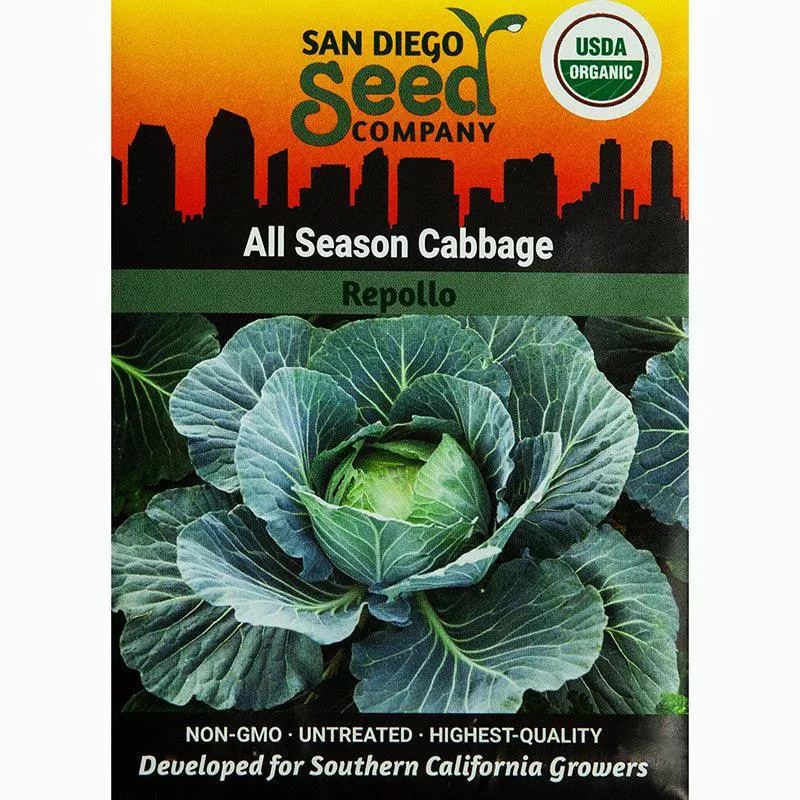
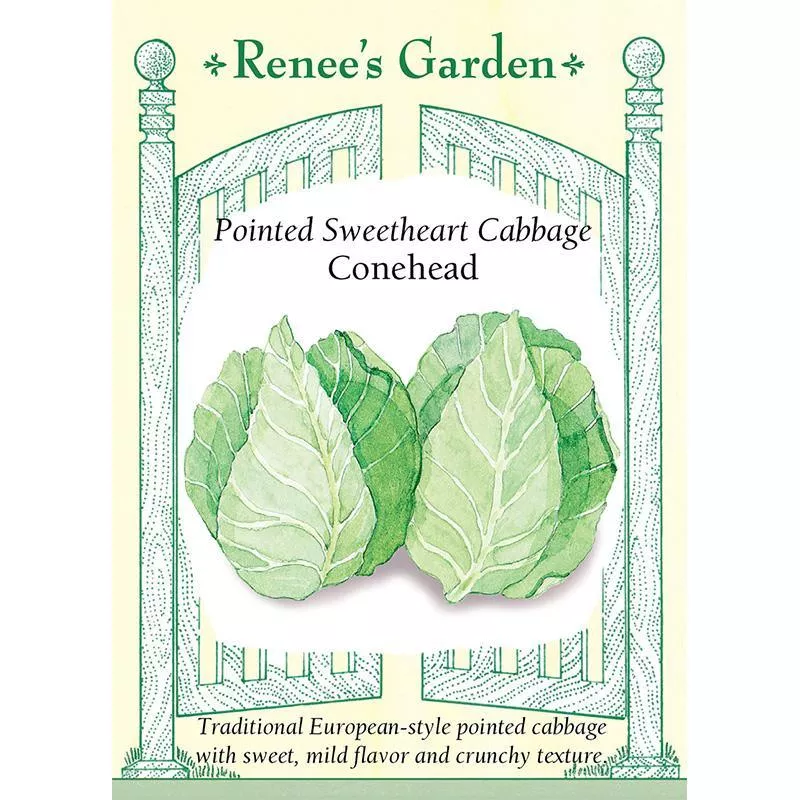
Understanding All-Season Cabbage: Varietal Diversity: All-season cabbage varieties, known for their adaptability, include green, red, and savoy types, each offering distinct flavors and textures. They form tight, round heads or crinkled leaves, depending on the variety. Climate Adaptability: Specifically bred for adaptability, all-season cabbage thrives in various climates, making it suitable for a wide range of growing zones, including USDA zones 3-9. Planting All-Season Cabbage: Seed Selection: Choose all-season cabbage seeds from reliable suppliers, ensuring freshness and adaptability to diverse conditions.
Variety Details
Plant type: Biennial
Growth habit: Herbaceous
Crop category: Cabbage
Kitchen profile: Storage: Preserve harvested all-season cabbage in a cool, humid environment to extend its shelf life for use in diverse culinary applications.
Recorded feature: Open-Pollinated
Product format: Seed packet
Sowing & Growing
Seed starting: Timing: Start seeds indoors 6-8 weeks before the last frost date or directly sow in early spring for a fall harvest,…
Maturity: Timing: All-season cabbage matures in approximately 70-120 days after planting, allowing for continuous harvests…
Light: Full Sun
Planting season: Fall or Spring
Starting location: Start Indoors & Transplant
Schedule All Season Cabbage for the cool-season planting window appropriate to your climate. Start seed in a protected setting or direct sow when the product record allows, then thin or transplant so each plant has room to develop. Check moisture at root depth and adjust irrigation to weather and soil rather than a universal schedule. As maturity approaches, inspect head, stem, or leaf development according to the crop type and harvest at the preferred size and firmness.
Before sowing All Season Cabbage, review the packet alongside the current product details and note any range in temperature, germination, or maturity. Ranges reflect biological and seasonal variation rather than a fixed promise. Label each planting with its date and location, then compare emergence, growth, and harvest with local weather. This record is useful for succession plantings and for deciding whether the crop fits better into an earlier or later seasonal window.