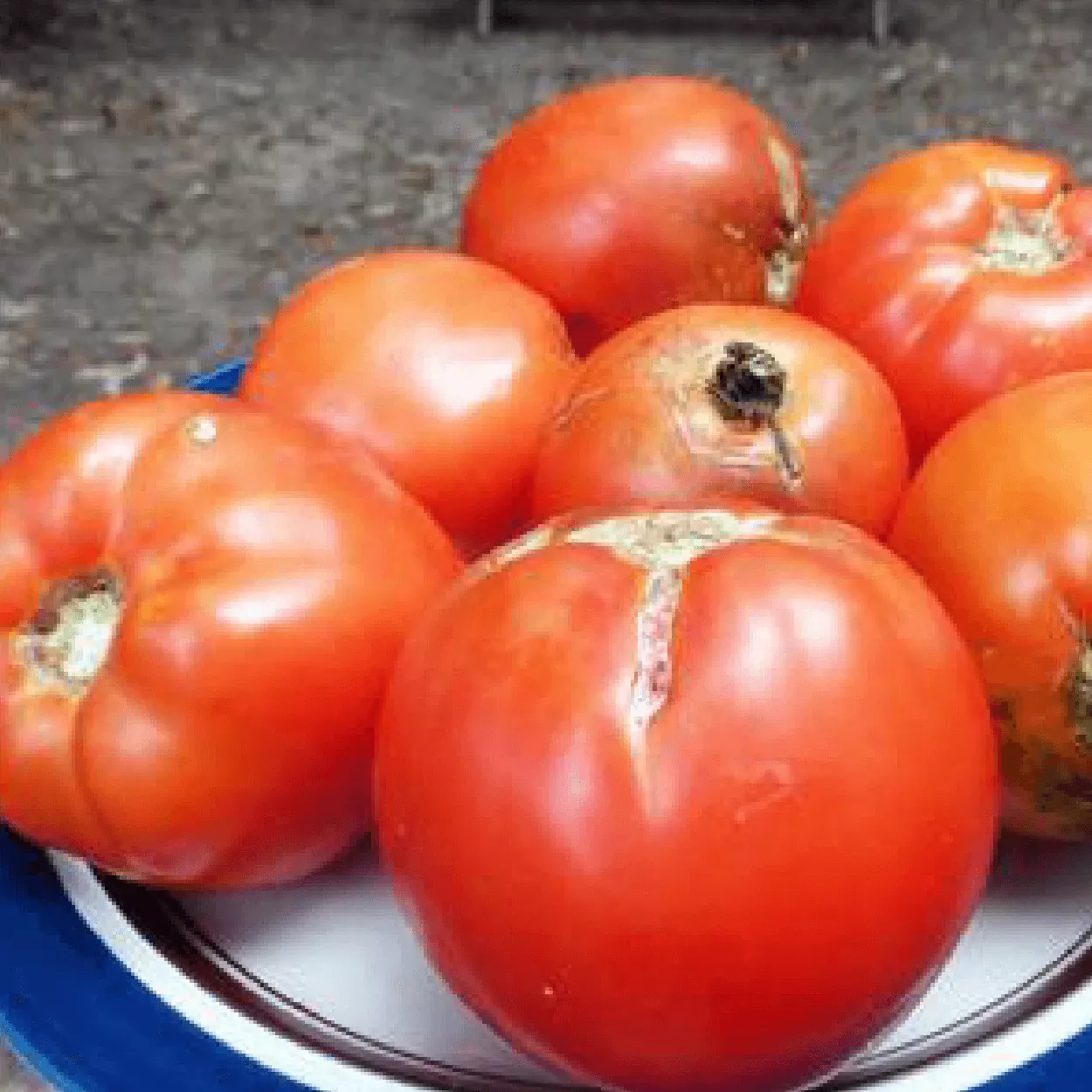
Chadwick’s Cherry tomatoes offer a delightful addition to any garden, renowned for their small, sweet fruits and prolific production. Here’s an extensive guide to successfully cultivate Chadwick’s Cherry tomato seeds: Understanding Chadwick’s Cherry Tomatoes: Varietal Overview: Chadwick’s Cherry tomatoes (Solanum lycopersicum) are heirloom cherry tomatoes known for their small, round, and incredibly sweet fruits. Fruit Characteristics: These tomatoes typically measure about 1 inch in diameter, showcasing a deep red color and a burst of sweet flavor in every bite. Growth Habit: Chadwick’s Cherry tomatoes grow in clusters, with each vine producing numerous fruits throughout the season.
Variety Details
Plant type: Tender Annual
Growth habit: Indeterminate
Crop category: Tomato
Kitchen profile: Fruit Characteristics: These tomatoes typically measure about 1 inch in diameter, showcasing a deep red color and a burst of sweet flavor in every bite.
Recorded feature: Open-Pollinated
Product format: Seed packet
Sowing & Growing
Seed starting: Timing: Start seeds indoors 6-8 weeks before the last expected frost date in your region.
Light: Full Sun
Planting season: Spring or Summer
Starting location: Start Indoors & Transplant
Recorded soil pH: 5.6 – 6.0 or 6.1 – 6.5 or 6.6 – 7.0
Plan Chadwick’s Cherry Tomato as a warm-season crop. Start seed in a protected setting when local timing allows seedlings to reach transplant size after frost danger has passed. Provide strong light and avoid keeping the root zone continuously saturated. Use the recorded spacing and add support if the growth habit requires it. Check fruit as it changes color and firmness, then harvest at the stage suited to its intended kitchen use. Seasonal conditions can shift actual maturity.
Before sowing Chadwick’s Cherry Tomato, review the packet alongside the current product details and note any range in temperature, germination, or maturity. Ranges reflect biological and seasonal variation rather than a fixed promise. Label each planting with its date and location, then compare emergence, growth, and harvest with local weather. This record is useful for succession plantings and for deciding whether the crop fits better into an earlier or later seasonal window.
Explore related options in our Cherry Tomato Seeds.