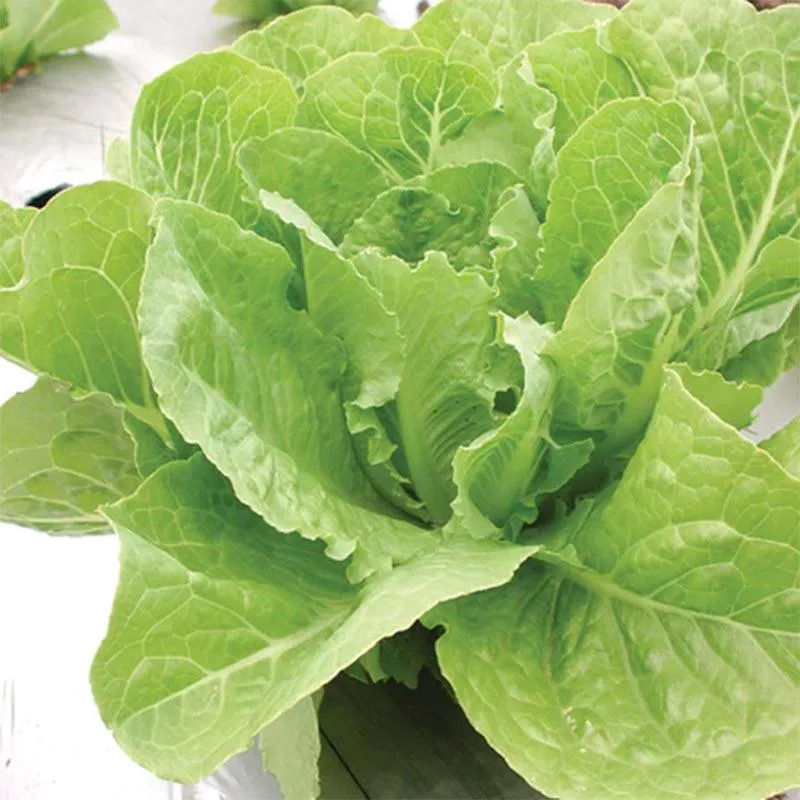
Valmaine Lettuce, originating from France, is a renowned variety appreciated for its distinct characteristics and culinary versatility. Within the Valmaine Lettuce family, there aren’t distinct subspecies, but this cultivar stands out for its remarkable attributes. The plant boasts a visually appealing appearance with loose, frilly leaves showcasing vibrant shades of green. Its attractive rosette-like form and crisp texture make it a desirable addition to both gardens and culinary creations. Taste-wise, Valmaine Lettuce offers a mild, slightly sweet flavor with a pleasant crunch, providing a delightful palate sensation.
Variety Details
Plant type: Annual
Growth habit: Herbaceous
Crop category: Lettuce
Kitchen profile: Valmaine Lettuce, originating from France, is a renowned variety appreciated for its distinct characteristics and culinary versatility.
Recorded feature: Open-Pollinated
Product format: Seed packet
Sowing & Growing
Germination temperature: Optimal germination temperature ranges between 60-70°F (15-21°C).
Light: Full Sun/Part Sun
Planting season: Fall or Spring
Starting location: Direct Sow or Start Indoors & Transplant
Prepare a fine seedbed for Valmaine Lettuce and keep the shallow sowing zone evenly moist while seedlings emerge. Thin according to the intended harvest stage: closer spacing can suit young leaves, while mature heads need more room. In warming weather, evaluate soil moisture and plant condition frequently instead of following a universal schedule. Pick outer leaves or cut mature plants at the stage you prefer. Record sowing and harvest dates to refine timing for the next planting.
The leaves are tender yet firm, suited for salads, sandwiches, and garnishes, adding both flavor and visual appeal to dishes.
Before sowing Valmaine Lettuce, review the packet alongside the current product details and note any range in temperature, germination, or maturity. Ranges reflect biological and seasonal variation rather than a fixed promise. Label each planting with its date and location, then compare emergence, growth, and harvest with local weather. This record is useful for succession plantings and for deciding whether the crop fits better into an earlier or later seasonal window.