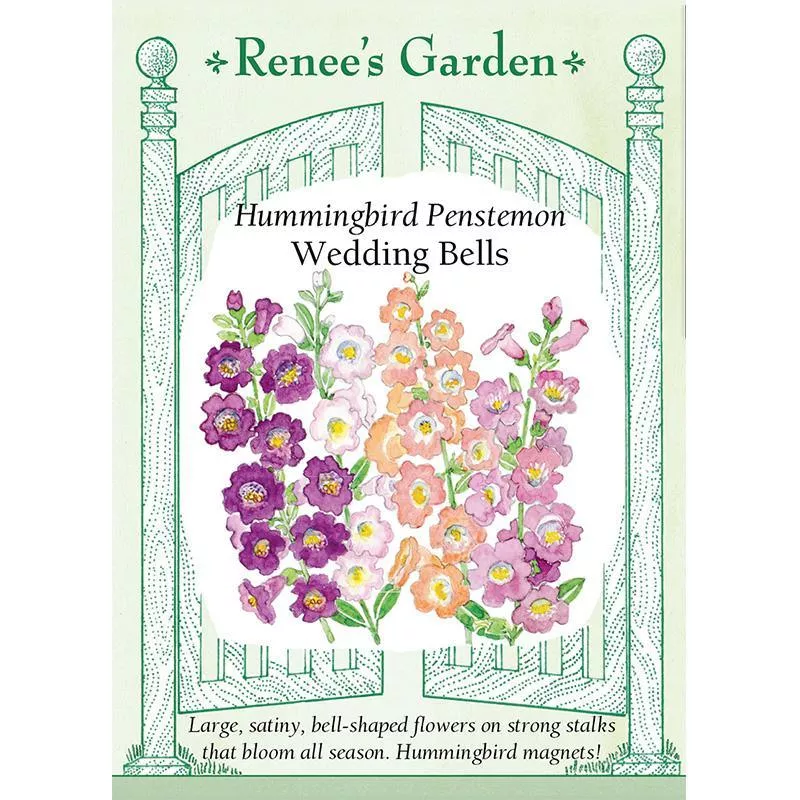
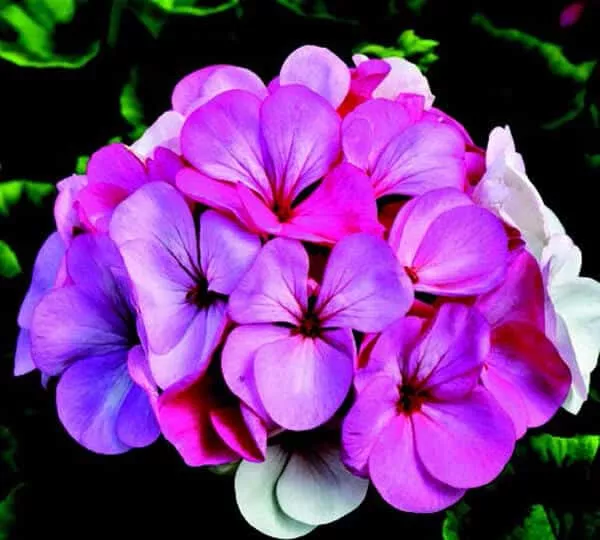
Wedding Bells Hummingbird Penstemon Flower is presented as a specific flower selection for gardeners comparing choices by growth habit, seasonal timing, mature size, and intended use. The description below separates identifying traits from sowing and growing information, keeps numerical ranges visible when they are present in the product record, and avoids turning general crop guidance into a fixed promise. Use these details with the packet and local conditions when planning the planting, then record actual emergence, harvest, or bloom timing for future sowings successfully.
Variety Details
Botanical name:Penstemon cobaea
Plant type: Perennial
Growth habit: Upright
Crop category: Flower seed
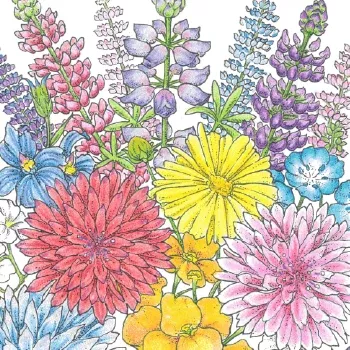
Flower character: Annual – Bred in England, Wedding Bells offers large, satiny, bell-shaped flowers blooming profusely on 18-24 inch flower stalks over glossy green foliage.
Recorded feature: Open-Pollinated
Product format: Seed packet
Sowing & Growing
Light: Full Sun
Planting season: Spring
Recorded USDA zones: 10, 11, 4, 5, 6, 7, 8, 9
Prepare a weed-reduced seedbed for Wedding Bells Hummingbird Penstemon Flower and use the recorded planting season, depth, and light requirements. Press shallow-sown seed into good soil contact and keep the seed zone from drying during establishment. Thin or transplant only when the growth habit and spacing call for it. Leave enough room for mature width and air movement. Bloom timing and final height can shift with sowing date, climate, soil, moisture, and competition, so use listed figures as planning ranges.
Place Wedding Bells Hummingbird Penstemon Flower where its recorded height and growth habit fit the surrounding planting. Shorter companions can be positioned toward bed edges, while taller stems need room where they will not shade small seedlings too early. If cutting flowers, harvest with clean tools at the stage appropriate to the bloom form. If leaving flowers in place, observe how bloom sequence changes through the season and record which sowing date performed best at the site.